Showing posts with label 1. Show all posts

Does Waxing Cause Hair to Grow Finer [DermTV.com Epi #191]


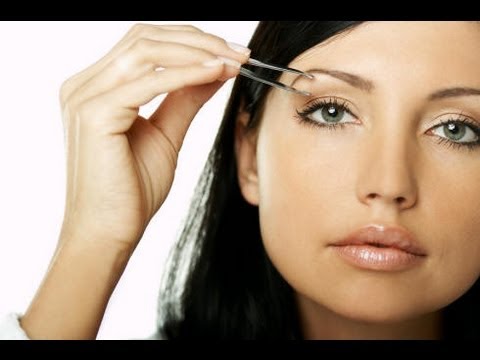
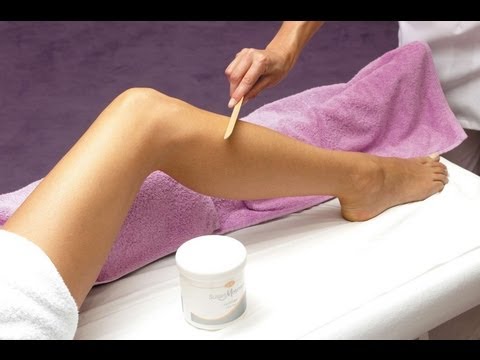
Today’s topic comes from our friends at TheBeautyBean.com, a health and lifestyle magazine, and the question they’ve asked is, does waxing really cause hairs to grow in finer or is that just a myth? Unfortunately, it’s just a myth. When you wax, you pull the hair out and it’s just like any other form of pulling the hair out whether it’s tweezing or whether it’s threading. The whole hair gets pulled out from the root and then the hair follicle, which is the little organelle in the skin that makes the new hair, starts to make a hair the same width and puts in the same number of cells. It’s not thinner, it’s not thicker, but I can show up why you get the impression that waxing causes hairs to be finer. If this is the top of the surface of the skin and this is a hair that’s growing from below the surface as it grows the thin, wispy tip which is the natural tip on a new hair comes above the surface and then you see the width of the hair shaft. If you shave this hair, or cut this hair, right at the surface of the skin, that hair continues to grow a few days later and look how thick the top is now compared to the wispy tip that we had originally. The surface of that hair looks course and thick and stubbly compared to the original wispy tip. So you get tired of that one and you decide I’m going to wax that, I’m going to get rid of it, and you pull the whole thing out. Well, a month later a new hair starts to grow and when that new hair starts to grow it has the same original normal wispy thin tip, so look how nice and fine that is compared to what that last hair which was cut or shaved looked like. Look at the difference in the widths of the very tops of the hairs, but actually there is no difference in the widths of the shafts. So waxing doesn’t cause hairs to become finer, it just gives you a new hair with a normal thin wispy tip. But let me warn you about one thing with waxing, waxing often does cause ingrown hairs and in Episode #73 we discussed why and what you can do about that.

Rosacea Treatment | WHY this PROVEN ROSACEA TREATMENT is YOUR ANSWER!


Including people with Rosace 04If everyone with sensitive skin held hands they would circle the globe eight times! If your skin has you seeing red, our Soothe product is the answer! This product is clinically proven to calm the skin, reduce the look of redness and irritation, restore the skins barrier and protect against stress, while promoting a calm, comfortable and healthy looking complexion!

In-Office Skin Care Quick Fixes [DermTV.com Epi #167]


So the phone rings, and suddenly you find out you only have three days’ notice for a really important interview or meeting or maybe a party or a date, and you just need your face to look its very best. In a previous episode, I discussed at-home quick fixes for problems like facial rashes, acne, dull skin, facial discoloration and lines and wrinkles. Today, for the same issues, I’m going to discuss what a visit to your dermatologist can accomplish in those three days. Let’s start with facial rashes. For that rash, whether it’s red or swollen or just bumpy, you’re going to get probably a prescription-strength cortisone or maybe even an immunomodulator like Elidel or Protopic to help that rash go away real fast. For dull skin, there’s nothing like a glycolic treatment or a microdermabrasion treatment to get rid of the dead cells and give that skin a luster, give it a glow. In addition, if you have acne breakouts, a glycolic treatment is going to be done again and again to get rid of dead cells but, this time, the ones that are helping contribute to the clogs in the pores. In addition, the acne pimples, the whiteheads, blackheads, the cysts, they’ll all be cleaned out to make them go away faster and make them go down sooner. You’ll probably wind up getting a prescription-strength topical antibiotic product to put actually on the pimples and you'll probably also get a prescription- strength product to put on it at night-time, again to help them go away faster. If you have really, really bad or swollen cysts, you may, under special circumstances, even get oral cortisone treatment for just a few days to help them go down much faster. Most lines and wrinkles on your face are helped by fillers immediately the same day you get the treatment. And for certain dynamic lines like forehead lines, frown lines, or even crow’s feet, the Dysport brand of botulinum toxin does its magic in just two days. You’ve accomplished a great deal in these three days but, don’t forget, you can also use the at-home fixes such as green-tinted foundation to help cover red and other things we discussed in that episode. Good luck and have a great time.

Temporary Hair Removal Options for Women [DermTV.com Epi #270]


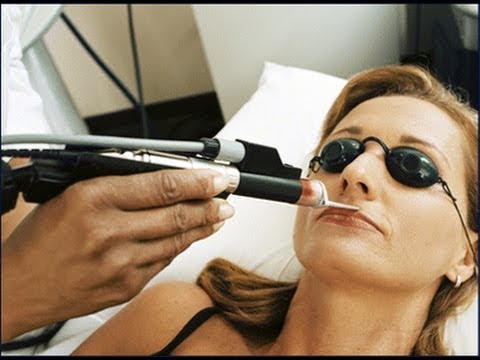
Unwanted hair is a reality for everybody, whether men or women. Today, I’d like to discuss the removal of unwanted hair for women, and I’ll discuss temporary hair removal and in another video discuss permanent hair removal. There are two levels at which you can do temporary hair removal. The first is removing the hair just at the surface of the skin and the other is removing it all the way from the bottom from the root. Let’s talk about the surface removal first. Obviously the easiest, fastest and least expensive is just shaving. Shaving your legs in the shower is a regular routine for many women and it’s no big deal. If you have unwanted facial hair, women are appropriately and understandably somewhat emotionally reluctant to shave their faces and so that may not be a suitable form for that hair removal. The other way of removing it at the surface is with chemical depilatories which are chemicals which usually have alkali and sulfur in them that actually dissolves the hair. You see hair is made of keratin and these substances actually dissolve keratin, the problem is there’s keratin in the surface of your skin so if you use it too strong, too much or too long you can actually dissolve off some of your skin and get an irritation or a burn. So, usually there are instructions about testing it and making sure that you don’t use it in sensitive areas and you don’t use it too long. Regardless which of these techniques you use, you’re going to have to repeat the maintenance everyday or every other day depending on the rate of growth of your hair. Other techniques involve removing the hair from the root and whether that’s plucking, waxing or threading, they all run the risk of increased incidence of ingrown hairs and there are a lot of episodes on DermTV where I discuss why waxing causes ingrown hairs and how to treat ingrown hairs and so on. But on the other hand, because you’re removing the hair from the root, maintenance is much less infrequent because it takes the hair much longer to grow back. Of those three techniques waxing is pretty fast because it removes a lot of hair at one time, as opposed to plucking or threading which removes individual hairs, plucking is inexpensive you can do it by yourself but of course it’s time consuming and threading is usually done by professionals and despite the fact that they are removing one hair at a time, I must tell you the way I’ve seen professional threaders remove hair, they remove it remarkably quickly. So, all of these forms of hair removal have advantages, disadvantages but they all have in common the fact that they’re temporary, they require some maintenance and in another episode we’ll talk about laser hair removal and electrolysis which are permanent forms of hair removal.

What Causes and Minimizes Enlarged Pores [DermTV.Com Epi #021]


Of the different complexion problems that people come to me for help for enlarged pores seems to be becoming more and more of a problem for people. They seem to be more frustrated by enlarged pores and it is probably because it is a more difficult problem to solve. Is there a solution for enlarged pores? Of course there is. It consists of both chemical and physical exfoliation. Enlarged pores occur mostly on the nose or near the nose; next to it or above the nose. They look like dark dots or light dots but the real reason that you see enlarged pores is because they cast shadows as they are little holes in the opening of the pores and those clogged pores, those enlarged pores are really caused by the oil clogs inside. The round circles that you see as the pores are really an end of a tube that comes from an oil gland below the skin (the tube comes up to the surface of the skin). The purpose of that tube is to conduct the oil up from the gland out to the skin. That tube has an inner skin and that skin has dead cells, just like your skin every place else and as this oil comes up the tube and mixes with the dead cells, if it mixes with too many dead cells you get a clog and when you get a clog that is what causes enlarged pores. So let me show you what happens. Come on I know you’ve been wondering what the balloon is for so let me show you. [Dr. Schultz blows up a balloon which has a circle drawn along the top.] The shape of the balloon and its relative size is an example of your oil gland, and the circle really correlates with the opening of the pore or the end of the tube. The important thing is that there is a relationship between the size of the gland and the size of the pore or the opening. When there is a clog, the oil gland does not know that there is a clog. What does the oil gland do? What any well behaved oil gland doe t keeps making oil. And when it keeps making more oil, even though there is a clog, it has to expand because it can not get the oil pass the clog. So this is what happens. [Dr. Schultz blows up the balloon even more and the circle on the top gets even bigger.] The oil glands get larger and look what happens to the size of the pore (circle). So that is why clogs cause enlarged pores. So what is the solution for enlarged pores? It is a combination of physical and chemical exfoliation. First, in the shower everyday, but just at the end of the shower after your pores have been steaming, take a granular cleanser. Very gently massage the granular cleanser into the large-pored areas for no more than ten to fifteen seconds and then rinse it off. After the shower, pat dry and take a gentle chemical exfoliant that either has a glycolic between 5 – 10% or salicylic of about 2% in it and apply a very small amount. Do this every day, once a day, and in a period of about two weeks you will start to see smaller appearing pores and I promise this annoying problem will be on its way to resolution.

Healthy Skin Care ow to Get Rid of a Pimple


Did you know that the white pus inside of a pimple is actually a build up of white dead blood cells? My name is Keeley Selvage with "Keeley's Skin Solutions" and I'm going to show you how to get rid of a pimple. The first thing that you want to do is remember to start with a sanitary environment. You want your hands to be clean and you want your face to be clean. It is best also to do it maybe right when you get out of the shower that way maybe the steam has opened your pores and the tissue is soft but if not and that is not convenient you want to use a hot towel compress over the affected area. I have a hot towel here and I'm just going to hold it right here over the forehead. You can do this for at least one minute. Then what we are going to do is I'm going to take two tissues and I'm going to wrap them around my index fingers like that and I'm going to gently squeeze the pimple. You don't want to go like that with your fingers because you could injure the skin but you want to do it like this or even like this. So you want to pull it tight, squeeze it and gently rock it back and forth. If it doesn't seem to want to come then it is probably not ready and you don't want to over squeeze it because you can scar the pore. You want to do that until all the puss is out and until clean blood comes out and that insures that there is no more infection. After that you want to dab it with maybe an astringent to kill the remaining bacteria and seal it with an oil free moisturizer. My name is Keeley Selvage with "Keeley Skin Solutions" and that is how you pop a pimple.

What is a Scar [DermTV.com Epi #252]


When people talk about scars they often get emotional and they like to say, “I got a scar for life”. They convey that they understand that scars are permanent, and in fact, scars usually are permanent. Now, there are some scars that can be helped by certain skin care products like scar gels and even certain brand name products…and then plastic surgeons and dermatologists can sometimes hide scars, fix scars, remove scars, improve scars, but in order for me to convey to you which scars are suitable to be treated this way and which scars need to be treated by doctors, we need first to explain what is a scar. Very simply, a scar is the tissue that your body makes to replace normal tissue that’s been completely destroyed. And we’re talking about all organs - not just the skin - so whether were talking about the heart or bones or the kidney or skin, scars are the tissue that the body makes to replace the destroyed tissue. Almost all scars are made out of collagen. Collagen is a fibrous tissue that you have normally in the dermis of your skin. The dermis is this middle second layer, and most of the structural or strong material in here that’s holding everything up and supporting things is collagen. It’s the same collagen that I inject into the skin to help fix lines and wrinkles, and this collagen is very fibrous, it’s in strands, so when we talk about scars we talk about fibrous scars. The reality is when the scars are mature they form white material and this white scar is kind of hard or rubbery. When the scar grows after a heart attack in the heart, you get a piece of scar tissue in the heart. When does a scar though, occur in the skin? What’s the nature of the injury that actually happens to your skin that requires the body to replace tissue? If you just get an abrasion when you fall and scrape your knee, you’ll take off a little bit of the epidermis, that heals completely- there’s no scar. When you get a blister - that means the whole layer of epidermis has come off - the body can fix that, it can replace that, there’s no scar. But when you injure or damage a meaningful piece of this dermis or that fat then you’re going to get a scar and as a matter of fact, if you get a cut, a cut like this, and all of that tissue is removed, the body can’t replace all of that tissue, not with normal tissue, so it fills in the gap with collagen and you get a white fibrous scar. Sometimes the body can’t fit enough material in so the scar is depressed and it scoops down and you see a hole or a line or a depressed scar. Sometimes the body makes too much tissue and when it heals it makes a bump above the level of the skin; that’s called a hypertrophic scar. Sometimes we call that a keloid. All of these different types of scars can be treated but they’re treated in different ways. In another video I’ll explain which types of scars are suitable for treatment by plastic surgeons and dermatologists and which types of scars can be helped by skin care products like these.

Fixing a Bad Fake Tan [DermTV.com Epi #183]


Welcome to this special episode of DermTV and I have with me a guest, a friend, Lucy Danziger, who is also the editor-in-chief of Self Magazine. It’s April, it’s time to start thinking about getting ready for the summer and if you want to get a little jump start on looking a little bit better, there’s no better way to do it than with a self tanner treatment and Lucy’s been gracious enough to share with us today her recent experience with Self Tanners. Well, as Dr. Schultz says, one of the things women like is to be a little bronze in anticipation of bathing suit season. So whenever I go to Florida or on spring break I like to get a spray on tan. This time I got a little too much tan. Now I believe in the spray tan because for someone who’s blonde like me I don’t like to go to the beach and look pale, I do like to have a little bronzing but Anna, whose brilliant, at Rita Houzan uses a very organic formula and it gets darker overnight. So I woke up this morning with too much tan so I said to Dr. Schultz this is a real issue for women, I’ve heard from women who don’t want to go to the tanning spray on lady, what if I turn orange? Or they don’t want to use a self tanner because they think it’ll look fake. There’s always that danger whenever you change Mother Nature, you’re going to look a little bit fake. So I said to Dr. Schultz, you know I want women to get a spray tan or a fake tan but what do you do if it goes a little too orange or a little too brown, which is what happened to me. What do you do? I’m happy to tell you this is an easy fix. If your tan becomes a little too dark from a self tanner because the basis of how a self tanner works is it stains the dead cells on the surface of your skin and those dead cells, with the extra darkening can be removed very easily with exfoliation. The exfoliation, which means taking off the dead cells, can be done either with a granular cleanser, a granular abrasive cleanser or it can be done with gentle glycolic pads used on a regular basis or you can even come into a dermatologist office and have a superficial lunchtime glycolic peel, it doesn’t really make your skin peel but all of these mechanisms will gradually remove that extra darkening and restore a more natural looking color. One thing though that we have to stress, even if you have this tan from a bottle or a spray-on, it offers you no protection against ultra- violet light and you still need your same sunscreen with an SPF of between 15 and 30 with UVA protection. So the one thing that SELF wants you to know is, if you insist on being bronze, make it a self tan. That is the only safe tan and still use your SPF. Thanks Dr. Schultz.

Can Exfoliating Cause You to Run Out of Skin [DermTV.com Epi #360]


Hello, I'm Dr. Neal Schultz. And welcome to DermTV. Many of you know how passionate I am about the virtues of exfoliation. So yes… I’ll say it again… Exfoliation is the single most important therapeutic treatment you can do for your skin, whether for facial rejuvenation, acne control or prevention of precancerous growths. But... can exfoliation cause you to run out of skin? Well, consider this… The purpose of exfoliation is to remove accumulated excess old dead cells. This causes your skin to increase its production of new vibrant healthy cells which is technically called “increased epidermal cell turnover.” However, as many of you know, the Hayflick Limit says, "There's a limit to the number of times a fully differentiated human cell divides. And that limit is about 40 to 60 divisions or replications and applies to all human cell types that have been studied.” So this might make you think that you’ll eventually run out of skin cells, and exfoliation would then speed up this process. But here’s the catch! The Hayflick Limit only applies to fully differentiated cells… those are cells which are in their actual, final useful form, rather than in their potential future form. Stem cells by definition aren't fully differentiated, therefore they are an exception to the Hayflick Limit, and so they can continue to regenerate new cells for your entire lifespan, without limit. The importance of the constant regenerative effects of stem cells is most easily seen in tissues which must constantly produce replacements for existing cells, such as… you guessed it… The skin! Think of it another way. If the Hayflick Limit applied to skin, then at a certain age, skin scratches and cuts would no longer heal. Which as we all know, just never happens. So for more beautiful, healthier and younger looking skin, don’t worry about your skin “running out” and instead, exfoliate regularly!

What is a Mole [DermTV.com Epi #420]


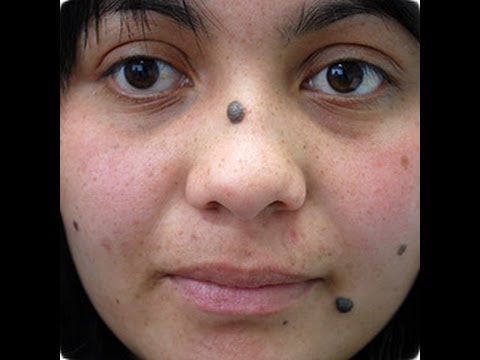
Moles are sometimes called “beauty marks,” yet can also develop into deadly melanomas. But do you know what a mole actually is? And more importantly, what it can do to you? On DermTV, I’ve talked about easy ways to identify precancerous moles, the surprising news that tiny moles can become melanomas, and even how moles are surgically removed. But to better put this all into perspective, today I’m going to explain to you just what a mole is and why that’s important to you. In your epidermis, the upper layer of your skin… …there are essentially only three types of cells. First are basal cells, which are kind of square in shape and are lined up in a row on the bottom layer of the epidermis. Then, interspersed between every five to 10 basal cells are these special cells called melanocytes... Melanocytes make melanin, your brown pigment. But when melanocytes aggregate together into a cluster or a clump, instead of occurring as a single cell occasionally wedged between basal cells, they form into a brown mole. And to avoid confusion, the medical term for a mole is a nevus. They mean the same thing. Now, most moles are classified into three different types. When the cluster of melanocytes are only in the basal layer… …then your mole is flat. You can’t feel it, but you know it’s there because of its colo rom light tan to dark brown. And since these moles are on the bottom layer of the epidermis, at the border of the lower, second layer of your skin called the dermis... ...these moles are called “junctional” moles. But if the cluster of melanocytes is down here in the dermis… …then it’s called an “intradermal mole”. Most raised moles are intradermal, usually dome shaped. They can be skin colored or brown and often have hairs growing out from them. And if the cluster of melanocytes is in both layers... ...epidermis and dermis, then it’s a “compound mole”, which is also raised and with similar colors to intra dermal moles… but flatter and not as dome shaped. So why is all of this important to you? Because it’s the flat moles that many deadly melanoma skin cancers come from. In fact, most people think the raised moles are the dangerous ones, but they are essentially harmless You really need to watch out for the flat ones by getting your skin checked annually by a dermatologist to detect abnormal ones and have them removed before they can become a melanoma. Your take away here shouldn’t be how to diagnose skin cancer. Instead, it’s for you to better understand moles and understand why it’s so important to get even those “harmless” beauty marks checked regularly. Now for today's skincare trivia! Answer today's question correctly and you'll be entered in a drawing to win a free skincare product! Submit your answer at DermTV Dot Com Slash Trivia, within three days of this episode's airing. Today's question i 32I discussed two of the three types of skin cells found in the epidermis in this episode. What is the third type? And while you can find the answers to most DermTV Trivia questions in DermTV episodes, you may have to look outside for the answer to today's question.

What Is Rosacea? (Part 1 of 2) | HealthiNation


Most people have never heard of this condition, and yet it affects about 16 million Americans of every age and every ethnicity. It’s a disorder of the blood vessels of the skin that causes redness of the face…much like blushing…and other symptoms. While rosy cheeks are expected on a cold day, for people with rosacea, they experience constant redness that can last for months, which is often a source of embarrassment and low self-esteem. In this video, we’ll review the symptoms of rosacea, its common triggers, and the many treatment options available. We all blush every now and then, but if you have unusually long lasting redness and you develop other signs and symptoms, you may have a skin condition known as rosacea. It’s a chronic progressive condition, meaning it gets worse over time. Early on it tends to come and go, with flare-ups lasting weeks or even months. Redness or flushing may be accompanied by other signs and symptoms, includin 53- Blood vessels, or visible red lines beneath the skin - Small bumps. These are called either pustules if they are pus-filled, or papules if they are not. These patches of bumps have earned rosacea the nickname “adult acne.” - A red, enlarged nose - Dry and itchy eyes The symptoms of rosacea often appear in stages…First, you may notice yourself blushing more often than usual but then the redness persists over time, as blood vessels close to the skin remain open, or dilated. As symptoms progress, the dilated blood vessels swell and may become visible under the surface of the skin as small red lines. Further inflammation may lead to small, red bumps—the pustules and papules. In about half of patients, rosacea affects the eyes, typically causing dryness, but also causing burning and grittiness. In rare cases, rosacea can threaten one’s vision. In advanced cases, a condition called rhinophyma may develop. Due to enlarging oil glands, the skin on the nose thickens and becomes knobby and the cheek may become puffy. Rhinophyma is rare, and usually affects men. As you can see, rosacea can take on various forms, and depending on the major symptom-redness, bumps, thickened skin or eye involvement—it is classified of one of four subtypes. The subtype is important because it helps your dermatologist develop a treatment plan. Rosacea tends to first occur in people aged 30 to 50. A family history of rosacea puts you at higher risk, as does having fair skin. Women tend to have it more than men, since rosacea is associated with menopause. While we know about these risk factors, we’re still not exactly sure what causes rosacea. Medical researchers are looking into the roles of inflammation, skin bacteria, immune system response and even a type of mite that lives on human skin called the demodex mite. The symptoms of rosacea are often mistaken for other skin problems, like allergies or acne, and are sometimes dismissed as normal signs of aging. But, if bumps and visible blood vessels remain after a redness flare up, you should visit a dermatologist. Because rosacea is a progressive condition, it’s important to get a diagnosis as soon as possible. The earlier treatment is started, the more effective it is in slowing the disease process. If you are diagnosed, your dermatologist will identify what subtype of rosacea you have based on the symptoms you’re displaying. Taking into account your lifestyle habits and other factors, he or she will determine the best treatment plan for you. A combination of lifestyle changes and medications is usually most effective.

What is Psoriasis? (Part 1 of 3) | HealthiNation


HOS ello and welcome to HealthiNation. I’m Dr. Bobby Buka. The skin acts as the body’s first line of defense against the outside world. But, for people with Psoriasis, their skin comes under attack from inside the body. Psoriasis is a skin disease that develops when the immune system malfunctions. It’s estimated that 5 to 8 million Americans have the disease. For these people, rash-like flare-ups may come and go, but Psoriasis is chronic We’re not entirely sure how psoriasis develops, but we know the process begins in the immune system. Healthy T-cells function to protect the body from infection by fighting foreign invaders. A psoriasis flare-up occurs when T-cells mistakenly begin attacking the body’s own skin cells. The body responds by rapidly producing new skin cells faster than old layers of skin can be shed. Extra T-cells are also produced as part of this defensive response and a cycle begins that leads to a thick scaling or reddening of the skin. Psoriasis is categorized into six types. The most common type is Plaque psoriasis. It can occur anywhere on the skin but is most often found on the elbows and knees and looks like dry, red patches of skin covered with silvery scales. Guttate psoriasis is usually seen in children and young adults. Sometimes, this condition can develop after a strep throat illness. Guttate psoriasis is characterized by small sores with a thin scale of skin. It typically clears itself up within weeks or months. Pustular Psoriasis is often localized to the palms and soles of the feet and is characterized by white pustules surrounded by red skin. However, “generalized pustular psoriasis” can affect the entire body and be life threatening. Inverse psoriasis is common in overweight people. Friction and sweating may irritate inflamed, red lesions in the folds of the skin. Erythrodermic psoriasis is the least common form of psoriasis but is potentially life-threatening because of electrolyte imbalances that can result from all the skin inflammation. It‘s characterized by widespread redness, itching, and pain. Psoriatic arthritis can cause stiffness and pain and has the potential to deform joints. It can be seen with seen in any of the different forms of psoriasis we just talked about.

La Roche-Posay Effaclar Duo Product Review


This is the La Roche-Posay Effaclar Duo. This dual action acne treatment reduces the number and severity of breakouts as it penetrates clogged pores to clear both white and blackheads. It is fast-absorbing, oil-free and is recommended for mild to moderate acne-prone skin.

Tanda Zap Review - Skincare System


This is the Tanda Zap. It's a portable acne spot treatment device and it combines blue light technology used by dermatologists, along with gentle warming and sonic vibration to clear and fade acne.

Acne Treatments ow to Get Rid of Chest & Back Acne


Acne is a condition caused by the overproduction of sebum oil which lubricates the skin and hair. I'm Jackie with how to get rid of chest and back acne. When the skin's pores become clogged with sebum, pimples can form. Acne can affect parts of your body other than your face such as your back or chest. If you're not sure whether you have body acne or another condition, check with your doctor. To treat chest and back acne, make sure to shower immediately after working out or excessive sweating. Wear loose and breathable fabrics such as cotton to prevent the oil glands from becoming clogged. Some companies offer acne sprays which makes it much easier to apply to hard to reach places such as the back. There are also supplements available that have successfully treated acne from the inside out. Drinking plenty of water and staying hydrated can help with acne by removing toxins from the body. Remember, to treat back and chest acne, be sure to shower immediately after a workout or excessive sweating, wear loose, breathable fabrics, and look for products such as acne fighting supplements and acne sprays. I'm Jackie with how to get rid of chest and back acne. Have a super day.

Why Waxing Causes Ingrown Hairs [DermTV.com Epi #73]


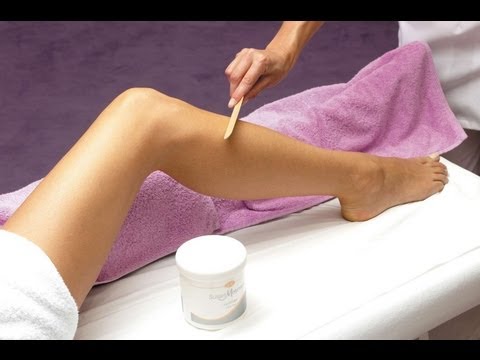
When we discuss techniques for getting rid of unwanted hair whether its body hair or facial hair, long before we had lasers, waxing was and still is a very popular technique. Albeit, a temporary technique of hair removal but it still is very popular for many reasons. It’s easy, it’s fast and it’s relatively inexpensive. The real problem that women have though, from waxing, is that sometimes waxing causes ingrown hairs. Usually it happens in either the bikini area or the upper thigh and that’s probably because of the coarseness or thickness of the hairs there and when you get ingrown you get this unsightly red, painful, bumps or pimples. The real problem though, is that once a hair is in-growing, it’s always in-growing. That’s means your ingrown hair after a while pops out, the bumps goes away, but three months later, when that hair starts to grow again, it’s going to be ingrown again and that’s even if you stop waxing. Let me show you what’s happening. We’re going to build your own little human hair follicle today. So, this is actually the bulb or the hair follicle that the hair grows from and attached to this, going up to the skin is a tube and this tube helps get the hair up to the surface. Inside this tube, there’s actually a lining and that lining is very, very important at guiding the hair up to the surface of the skin. Here of course if our requisite hair and that hair has to come out through a hole in the skin so that the hair has a way of actually exiting the body. When you wax, you pull the hair out very rapidly and that very rapid pulling actually disrupts this very important lining and if the lining is gone then the next time that hair wakes up and has to grow again it doesn’t have its path to get out through the skin. So if we rebuild our little model, the next time this hair starts to grow it doesn’t have that lining to guide it, it doesn’t have that path. So look what happens, it is no longer going towards the hole, it comes up against the inside of the skin and this is what causes your ingrown, it’s got no way to get out. Now, this doesn’t happen every time women wax but if it does happen to you and you’re getting these ingrown form waxing, then the solution is laser hair removal because the laser will kill that root so it can no longer produce a hair and have that misguided hair coming up. And by the way, once you’ve done laser hair removal to control ingrown from waxing, you’ll probably decide that laser hair removal is the superior way to go to control all of your unwanted hair.

What Causes Wrinkles [DermTV.com Epi #200]


There are really two main causes of lines and wrinkles. Most of us are familiar with photo-aging which causes lines and wrinkles from repeated unprotected exposure to the sun and that causes collagen and elastic tissue in the skin to break and that causes lines and wrinkles. But what most people don’t realize is that another cause of loss or breakage of collagen and elastic fibers is repeated motion of the skin, repeated creasing and folding such as frowning, smiling and squinting. All of these things fold the skin back and forth- fold the collagen back and forth and causes it to break. Let me give you some examples, this is a flat piece of paper without any folds and I am going to fold it, and I press on that and now I’m going to fold it again and move my finger back and forth several times. If I open it you can see a fold or a crease. Let me try to rub out that fold or crease. And what happens? You still have a fold, you still have a crease. And the reason is, in folding that repeatedly I’ve actually broken the cellulose fibers that form the structural integrity of the paper. Well, if paper has cellulose fibers to give it integrity our skin has collagen which gives it structural integrity and as a result of repeatedly folding the skin or creasing the skin whether it’s frowning or smiling, anything that does that will ultimately break the collagen fibers and therefore cause the same kind of line or wrinkle. So, think of this paper clip as a collagen fiber. What happens if we fold this paper clip back and forth, back and forth? Well after enough folds back and forth it breaks. And that’s why next to my eye I have a fine line; it’s etched there as a result of the complete destruction of some collagen there. But skin unlike paper, skin also has elastic fibers in it, and the function of elastic fibers is to restore the shape of the skin to its natural shape. So if I take my face and I stretch it out, the elastic fibers are what brings it back. But if you repeatedly stretch elastic fibers back and forth after a while they get stretched out and broken. So now there are folds in this elastic band that just don’t come out because they’ve been broken. Let me give you another example of this. This piece of paper has no folds, it’s in perfect shape. But if you fold back and forth with the elastic, after a while, you can’t get it to stretch out- it’s deformed. And one of main differences between paper and human skin, well human skin we’re accustomed to repairing itself but actually once you’ve broken collagen the skin can make a little more collagen but it doesn’t do it very well. And even worse, once you’ve broken elastic tissue, any time the skin makes new elastic tissue it never works properly. So if you need any more convincing of the value of repetitive folding of the skin in causing lines and wrinkles take a look at the upper lip of somebody who has smoked for ten or twenty years and I can promise you that you’ll see these vertical lines etched into the upper lip as a result of smoking.

What Causes Blackheads? Dr. Murad Explains How Blackheads Form.


Well, virtually everybody gets blackheads! It could be from the environment. It could be from poor nutrition. It could be from all kinds of things. But the fact is virtually everyone will have blackheads, usually around the nose if you look closely enough! And blackheads, again, are this accumulation of dead material at the pore. And over time it turns black because of environmental damage, free radicals causing an inflammatory response, which causes the pigmentation.

Clear Skin Max Reviews - Must WATCH Before You Buy Clear Skin Max


Welcome to my clear skin max reviews i hope you find it usefull their basic premise is that in just four easy steps clear skin taxes going to be able to the fact of lee treatment carrier acne problems now they have a lot of different products here but they really working conjunction with one with the other first uh... the first step is course going to be the clear skin max it's organic celcom com it's gonna be able to give you flute uh... by using it three times a day it's going to be able to help stabilize and maintaining your uh... your nutritional aspect of your diet that's one of the key aspects to going to be able to do here's to you got to be able to take care of the diet issue first settling will be the clear skin max reviews face wash and that's going to be a twice daily face wash to cover the outside and then there's also going to be a balancing cream to applaud twice daily as well and again this all works in conjunction with one other and then that's going to be the whole process in the fourth one that they have is g_e_ detox tea the closing a detox tea now i know a lot of this sounds like a lot of high and things like that but really what i'm looking at here is a lot of the different testimonials to people that are actually use the system and they have a lot of forum after sheer that are very dramatic uh... some more than others and you know it's funny that he is not one of those problems that is limited to just uh... teenagers or young adults and things like that their it it's a problem that affects everyone and so this is going to be able to be a very good and risk free solution they have a sixty day money mageary t here see really done anything to lose and you have everything to gain by giving you know clear skin feeling better by someone having better confidence in the end uh... so really the best thing to do is click the link below the video here and head on over to clear skin max try it out today you really have nothing to loose with a sixty day money-back guarantee uh... there's a lot of people around here that are doing a lot of good with it and being able to see dramatic results and i know you can to thanks thanks for watching clear skin max reviews by mike

Teenage Acne Treatments Sorting Fact From Fiction


It is probably fair to say that parents often worry about their teenager’s acne possibly as much as the teenagers themselves - if not more. Teenage acne treatment is never a “one size fits all” solution so it is important for teenagers and parents to understand some basic information about the real causes of acne so that they can give or receive help. Acne is commonly found in many teens and it can often persist well past this stage into adulthood. Without an effective teenage acne treatment at the time it occurs it has the potential to permanently scar the face and the other areas of the skin where it is found. It can also considerably lower the self esteem of those that suffer from it leaving the person feeling embarrassed about their appearance and suffering from a lack of confidence. Seeking the help of a doctor is definitely not the only thing that can be done regarding teenage acne. After all, the reality is that if medical science had all the answers to acne then the subject would have been closed long ago and you probably wouldn’t be listening to this! So let's look at some treatment options. The first thing that needs to be done is to ensure that a proper cleansing routine of the affected area is introduced and maintained on a daily basis. Normal, everyday washing can help but in the presence of acne it is not enough to help treat the acne or stop further outbreaks. To make the cleansing routine more effective you should use products that are designed specifically for acne affected skin. They should contain ingredients that are designed to reduce the existing oil levels of the skin as well as fight the presence of bacteria. Choose products specifically designed for the task as they will also have ingredients for soothing inflammation and helping in the repair of skin damage. Many of these products may contain peroxide or alcohol which will help to dry out and remove the oils as well as help to kill off the bacteria causing the acne. The concentration of these ingredients may vary widely so if a particular product causes any irritation to your skin be sure to stop it immediately and look for something else. Another product that should be incorporated into the daily skin care routine is a gentle exfoliating product that can be purchased over the counter. These products work away the dead skin cells on the face and deprive the bacteria of both food and shelter and help to remove dead skin that can contribute to clogging the pores. Once a good cleansing routine has been established the next thing to look at is your diet and stress levels. Whilst your diet has little to do directly with how much oil your body produces, eating in a well balanced manner will allow the body to have the nutrients that it needs to heal and fight off any infections that it may face. On the other hand a poorly balanced diet that is heavy in sugar, refined carbohydrates and unnecessary fats leaves the body open to infections and can greatly contribute to hormonal imbalances resulting in further acne outbreaks. Finally Stress. It is no secret that the root cause of acne is hormonal imbalances that trigger the necessary conditions for the acne to occur. Your body will react to both stress and poor diet with the over production of certain hormones including those that trigger oil production in the skin. Once that occurs the bacteria present, the dead skin debris and all the other factors mentioned previously take hold and acne occurs. One powerful method of both dealing with stress and encouraging balanced body function is by engaging in regular exercise. Not exactly a ground breaking idea but an extremely effective one. For many teenage acne sufferers just following these basic concepts will be enough to reduce or even clear up their acne. However for more persistent cases of acne it is important to ignore the idea that "teenagers just get acne" and nothing can be done about it. Nothing could be further from the truth. To get rid of persistent teenage acne you need to find and follow a complete acne system that can identify and deal with the causes of YOUR acne. For a look at some of the best acne treatment programs go t ww.youracnepro.com